Dehydration and Bladder Symptoms
Bladder concerns are stressful whether you deal with frequent urges, accidents, or discomfort. It can feel logical to “cut back” on fluids to reduce bathroom trips. But restricting water to manage bladder symptoms often backfires, increasing the risk of dehydration and potentially worsening urinary problems.
Restricting water doesn’t reliably control bladder symptoms—and dehydration can make symptoms worse.

How Dehydration Can Worsen Bladder Symptoms
More concentrated urine irritates the bladder. When you don’t drink enough, your urine becomes more concentrated and can sting or burn. Concentrated urine may trigger or amplify:
-
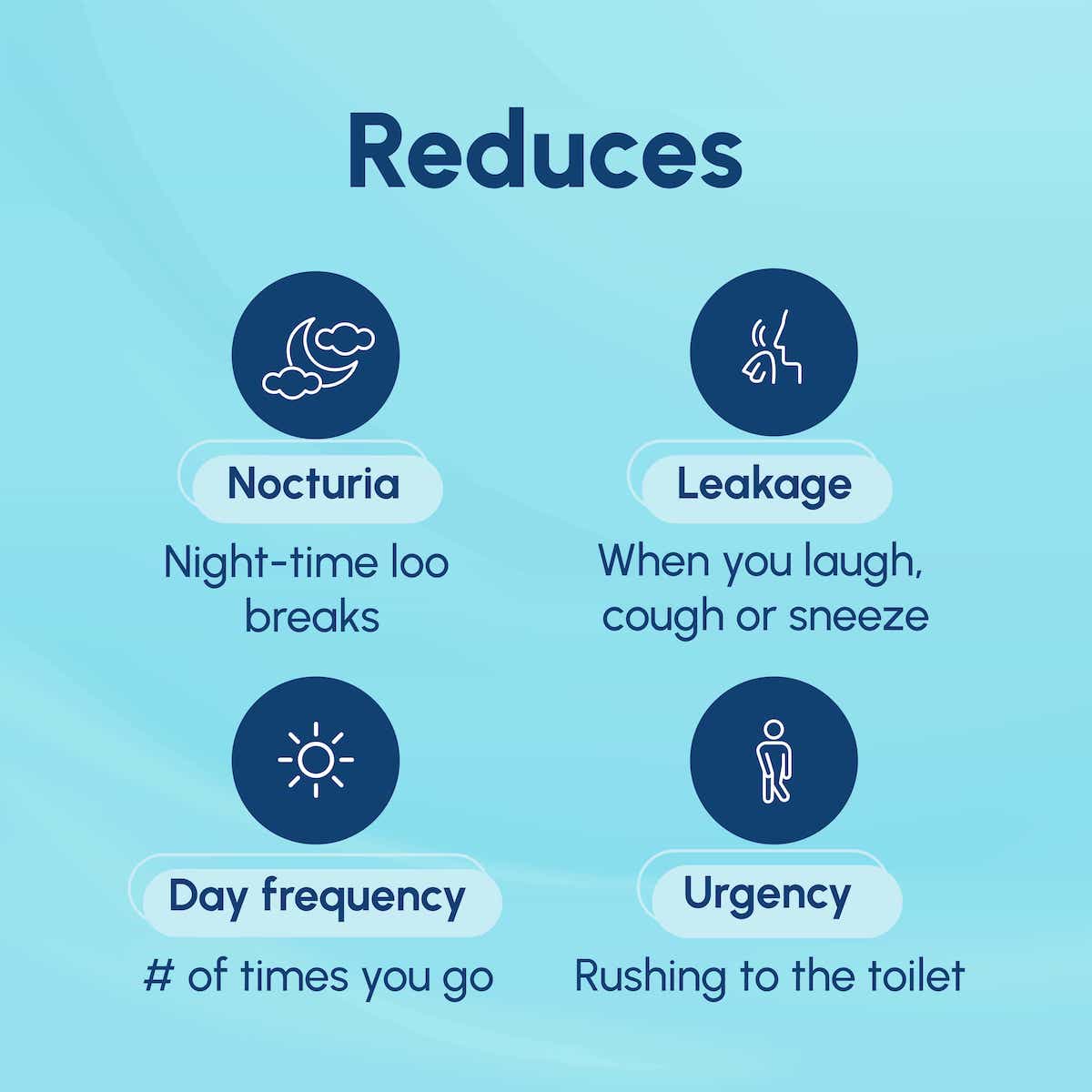
Urgency (feeling like you have to go suddenly)
-
Burning with urination
-
Bladder discomfort
-
Increased frequency
Dehydration can increase the risk of urinary tract issues and increase the risk of UTI’s.
Not drinking enough can lead to:
-
Higher bacterial concentration in the urinary tract
-
Greater risk of UTIs in some people
(UTIs aren’t caused by dehydration alone, but dehydration can worsen the conditions that make infections more likely.)
It can affect bladder function over time
Your bladder relies on a healthy fluid balance to function comfortably. Chronic under-hydration may contribute to:
-
More frequent “small” trips
-
A cycle of irritation → urgency → more symptom awareness → worsening discomfort

Dehydration can increase the risk of Stroke and other cardiovascular events.
-
Studies have found that dehydration or low fluid intake can be linked to higher risk of cardiovascular events, including stroke, especially when combined with other risk factors.
Why “Drinking Less” Often Creates a Cycle of Symptoms
Common pattern:
You drink less to avoid frequent bathroom trips:
➡️ Urine becomes darker/stronger
➡️ Bladder gets irritated
➡️ You feel more urgency and discomfort
➡️ Symptoms can feel even worse than before

What’s Usually Better Than Restricting Fluids
Aim for consistent hydration
Instead of cutting back, many people do better with:
-
Regular water intake through the day
-
Avoiding long gaps where you get significantly dehydrate
For healthy adult women in Australia, the Nutrient Reference Values provide an Adequate Intake of approximately 2.8 litres of total water per day, including water obtained from food. Around 2.1 litres is expected to come from fluids, equivalent to approximately 8 cups
Consider timing rather than less
If nighttime trips are the issue, try:
-
Drinking more earlier in the day
-
Reducing intake 1–2 hours before bed (only if appropriate for your situation)
-
Still keeping hydration adequate overall
Watch common bladder irritants
Some people experience symptom flares from:
-
Caffeine (coffee, tea, energy drinks)
-
Alcohol
-
Carbonated beverages
-
Very acidic drinks (often citrus)
-
Artificial sweeteners (for some individuals)
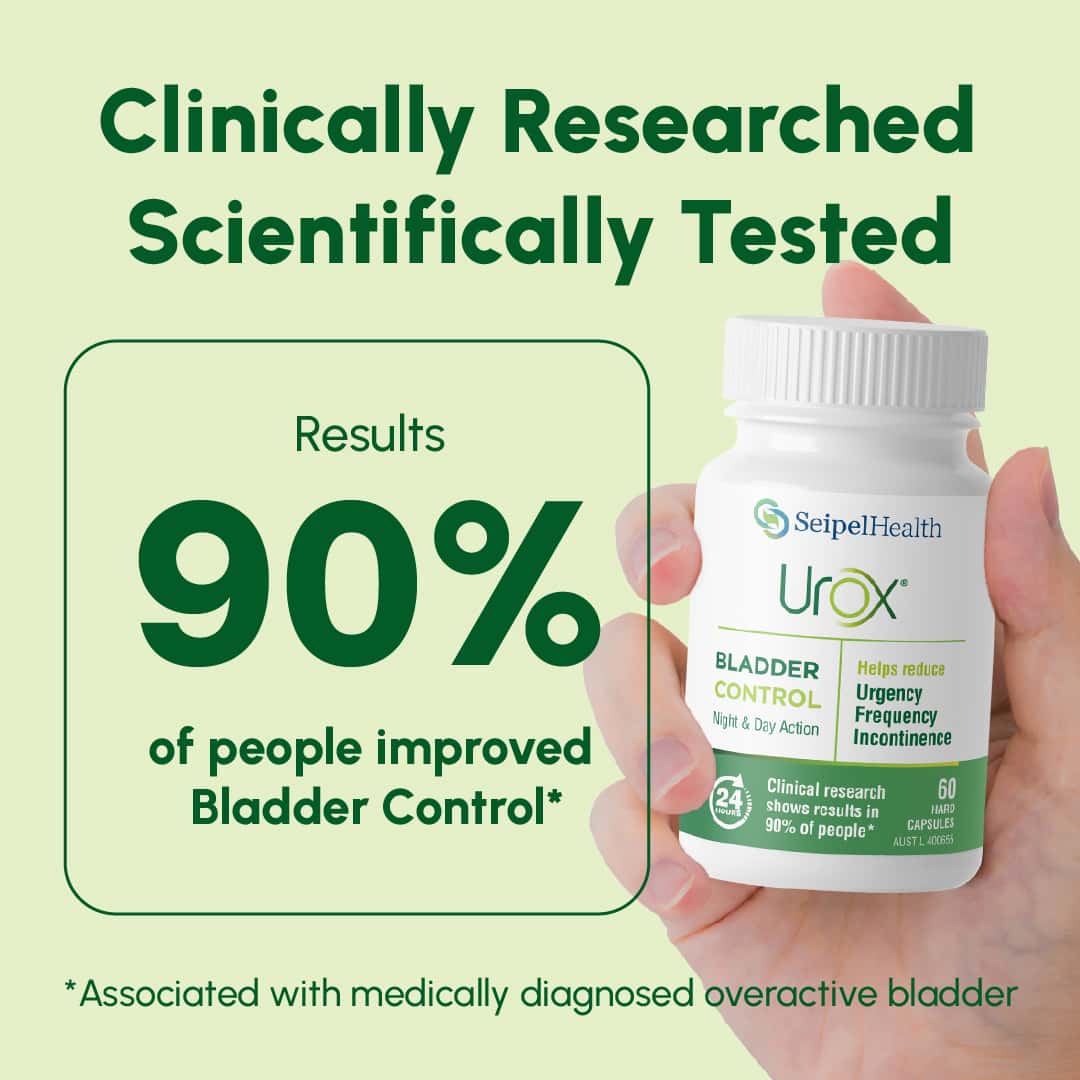
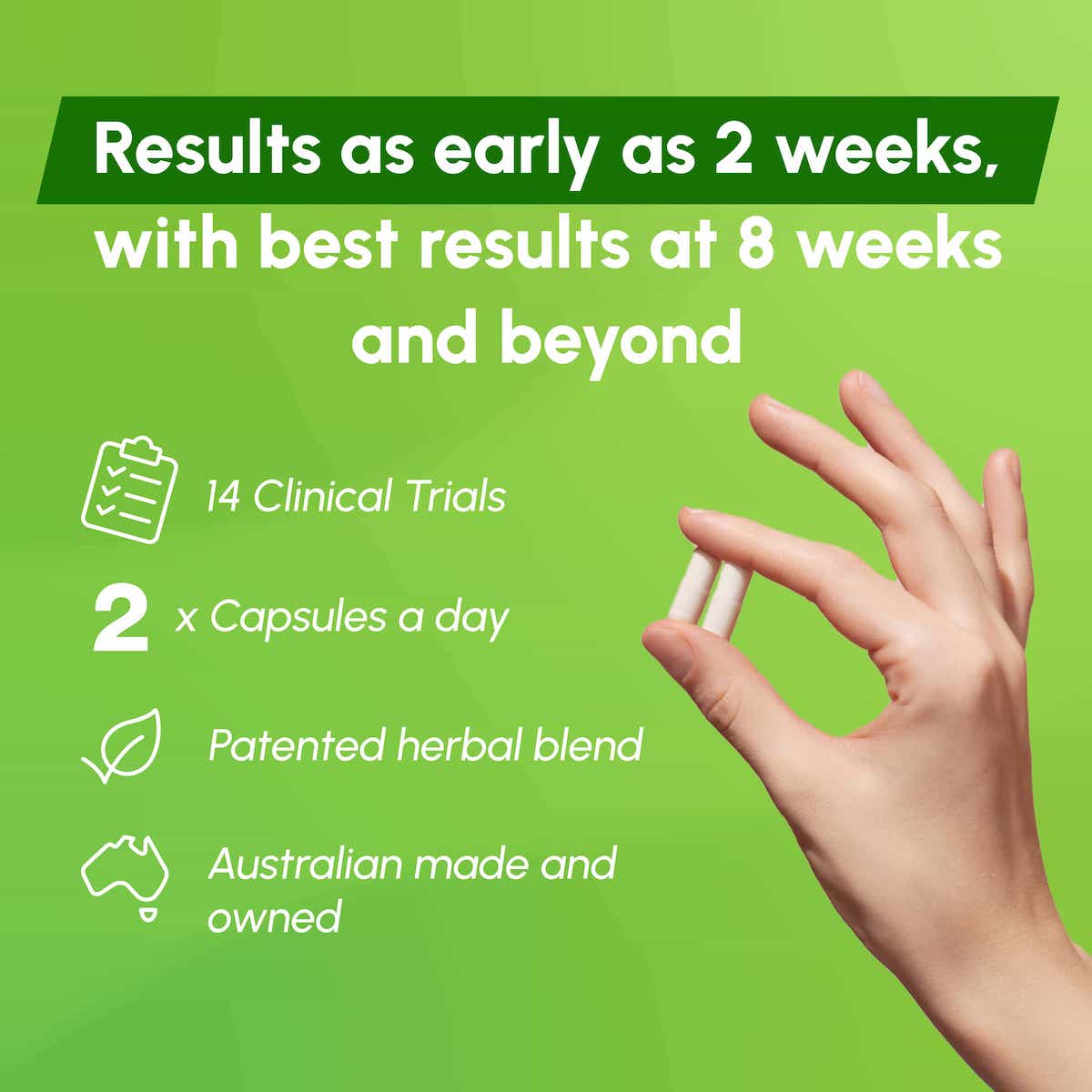
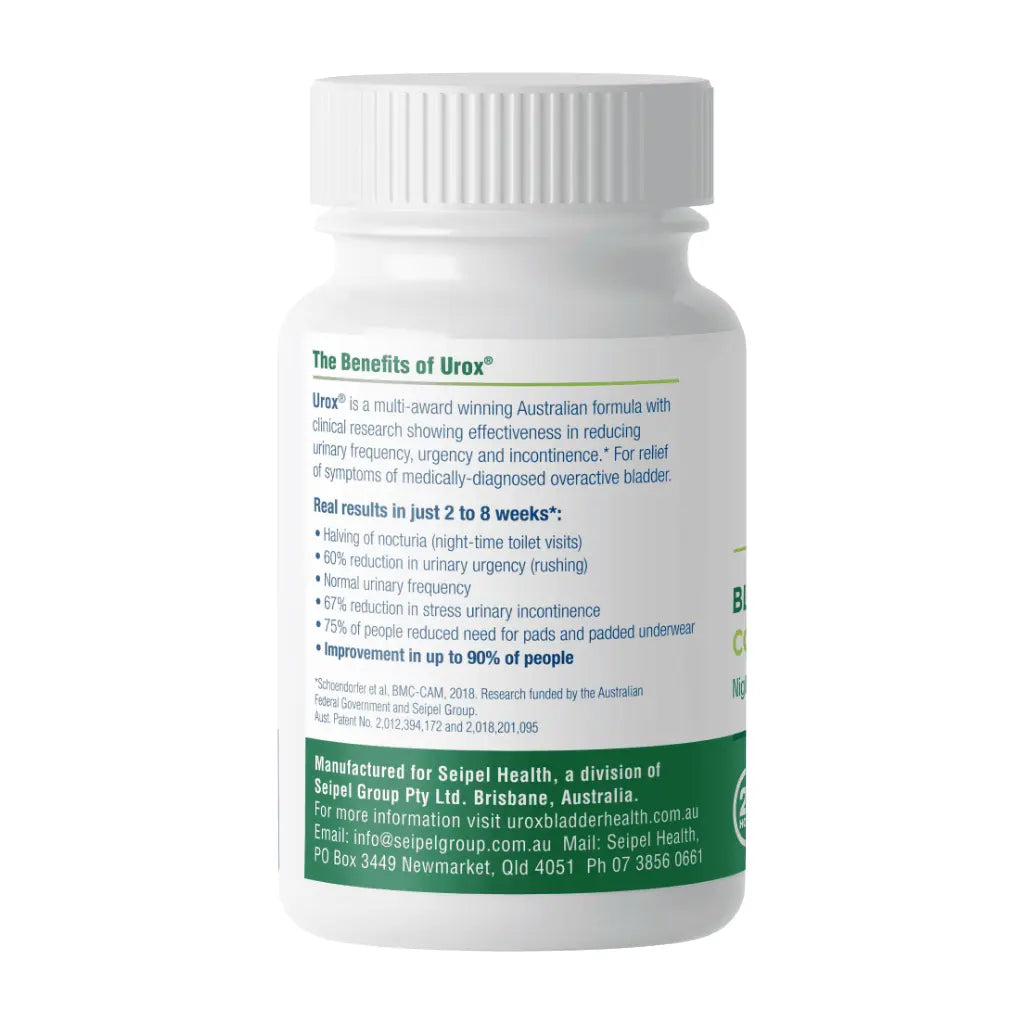
For Clinically proven protection follow the link to Understanding more about Urox®
When You Should Talk to a Clinician
If bladder symptoms are persistent or severe, it’s important to get evaluated. Seek medical advice if you have:
-
Burning, pain, or blood in urine
-
Fever or chills
-
New or worsening urgency/incontinence
-
Symptoms lasting more than a few days
-
Frequent UTIs
-
Concerns related to pregnancy, menopause, diabetes, or neurological conditions