Small Bladder or Overactive Bladder?

Have you ever heard someone say:
"I've just got a small bladder"
It is a common explanation for frequent bathroom trips and urgency to urinate. However, these symptoms are commonly related to an overactive bladder (OAB) rather than the physical size of the bladder.
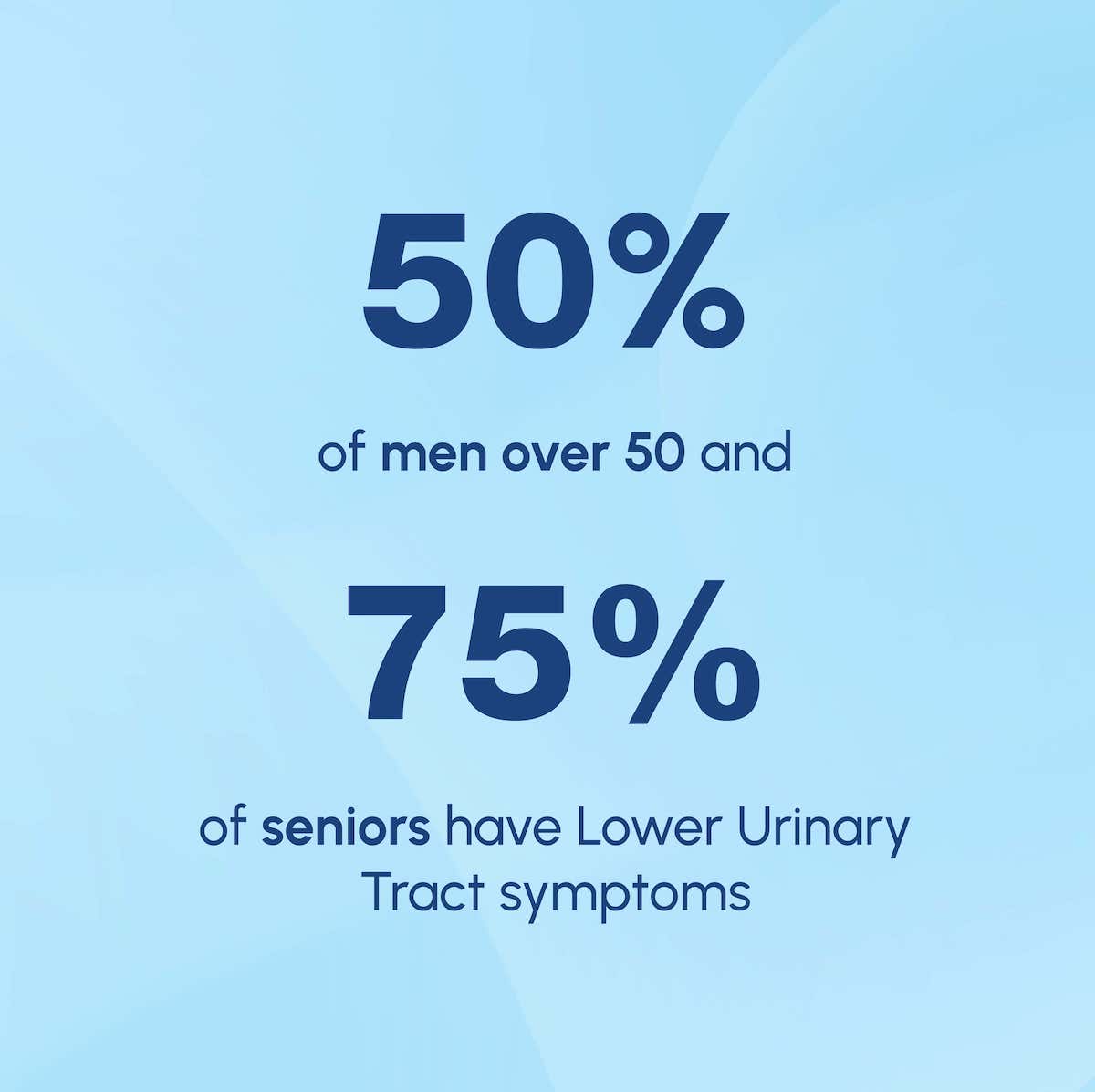
OAB is a common condition that affects 1 in 5 adults worldwide.
OAB occurs when the bladder sends signals to empty more often than necessary, which can affect comfort, confidence, sleep, and quality of life.
Understanding OAB is the first step towards taking back control of your bladder health.
What is Overactive Bladder (OAB)?
Overactive bladder (OAB) is a condition characterised by a group of urinary symptoms that occur when the bladder signals the need to empty more frequently than normal. These signals may occur even when the bladder is not full.
OAB can affect both men and women and may have a significant impact on quality of life, particularly when symptoms interfere with sleep, daily activities, work, travel or social engagements.

Common Symptoms of OAB
Symptoms of OAB can vary between individuals but may include:
- Frequent urination throughout the day
- A sudden and difficult-to-control urge to urinate
- Waking more than once during the night to urinate (nocturia)
- Urinary leakage or incontinence
- Planning activities around access to toilets
While these symptoms can be frustrating, understanding their cause is an important first step towards effective management.
Healthy Habits for Better Bladder Health
Several lifestyle strategies may help support healthy bladder function and complement a broader bladder health plan.
-
Stay Hydrated: While some people reduce fluid intake to avoid bathroom
trips, insufficient hydration may actually irritate the bladder. Aim for consistent
fluid intake throughout the day.
-
Monitor Caffeine and Alcohol Intake: Caffeinated and alcoholic beverages
may irritate the bladder lining and contribute to urinary urgency or frequency. -
Maintain a Healthy Weight: Excess body weight can place additional
pressure on the bladder and pelvic floor, potentially contributing to urinary
symptoms. -
Stay Active: Regular physical activity supports overall health and may help
maintain healthy bladder and pelvic floor function. -
Support Pelvic Floor Health: Pelvic floor exercises may help support
bladder control and are commonly recommended as part of a bladder health
management plan.
-
Consider Evening Fluid Intake: For those experiencing frequent nighttime
urination, reducing large volumes of fluid close to bedtime may be helpful.
Did You Know?
OAB can affect more than bladder function alone. Frequent urgency, interrupted sleep and concerns about leakage may influence confidence, wellbeing and daily quality of life.
Many people delay seeking support because they believe their symptoms are simply a normal part of ageing. However, effective management strategies and supportive options are available.
Supporting Bladder and Prostate Health
For people experiencing symptoms associated with bladder health and urinary control, targeted support may help maintain healthy bladder function and confidence.

Urox®
Urox® is a clinically researched herbal formula designed to support healthy bladder
control and urinary function. The formula works by:
- Supporting healthy communication between the brain and bladder
- Calming bladder lining
- Improving bladder and pelvic floor muscles
- Supporting complete bladder filling and emptying
- Helping to maintain normal bladder function and urinary confidence in both men and women.
Prorox®
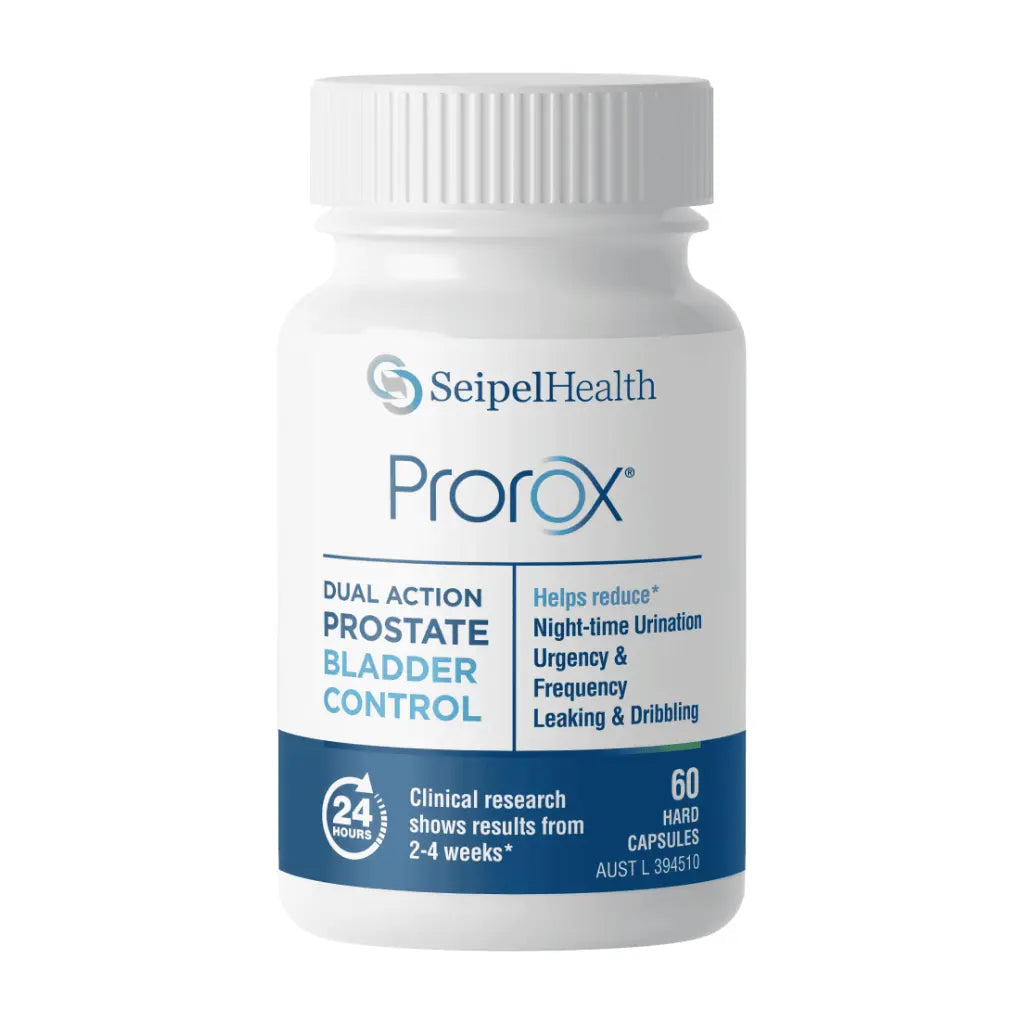
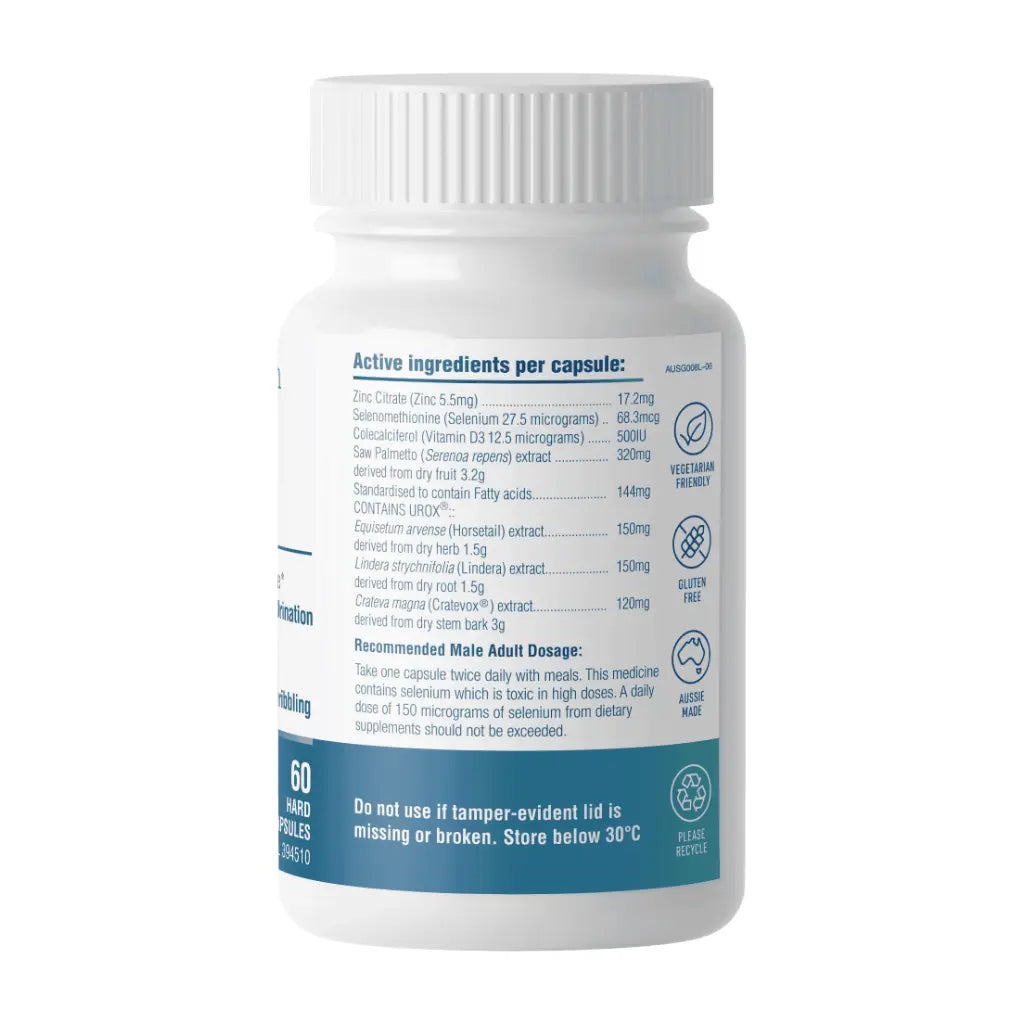
Prorox® is a dual-action herbal formula designed to support both bladder and prostate health in men. The formula includes Urox® as well as clinically researched Saw Palmetto extract and key nutrients to specifically enhance prostate health and support healthy prostate function.
Australian Research Supporting Bladder Health
Australian-owned and made, Seipel Health has invested extensively in clinical research focused on urinary health.
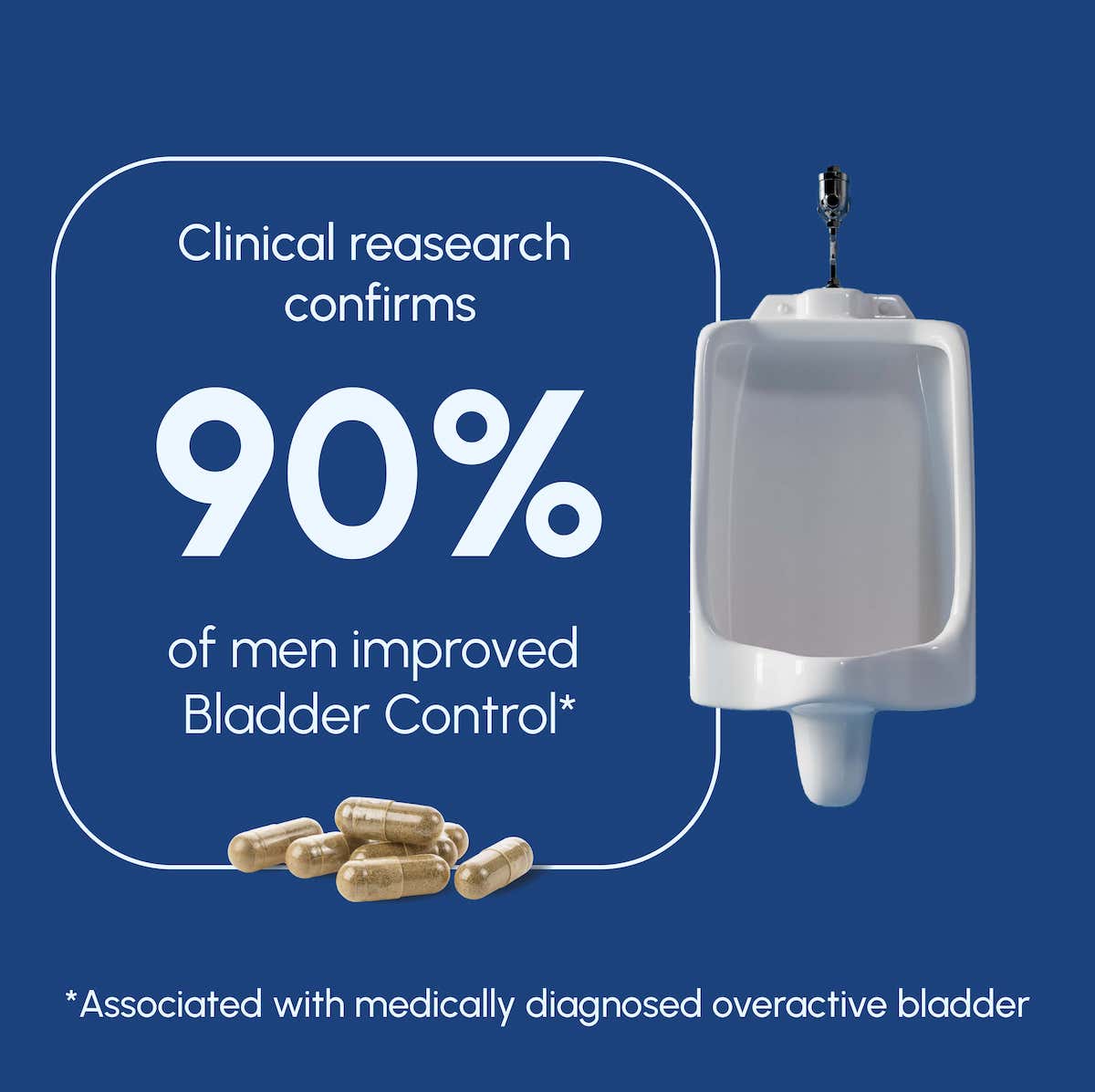
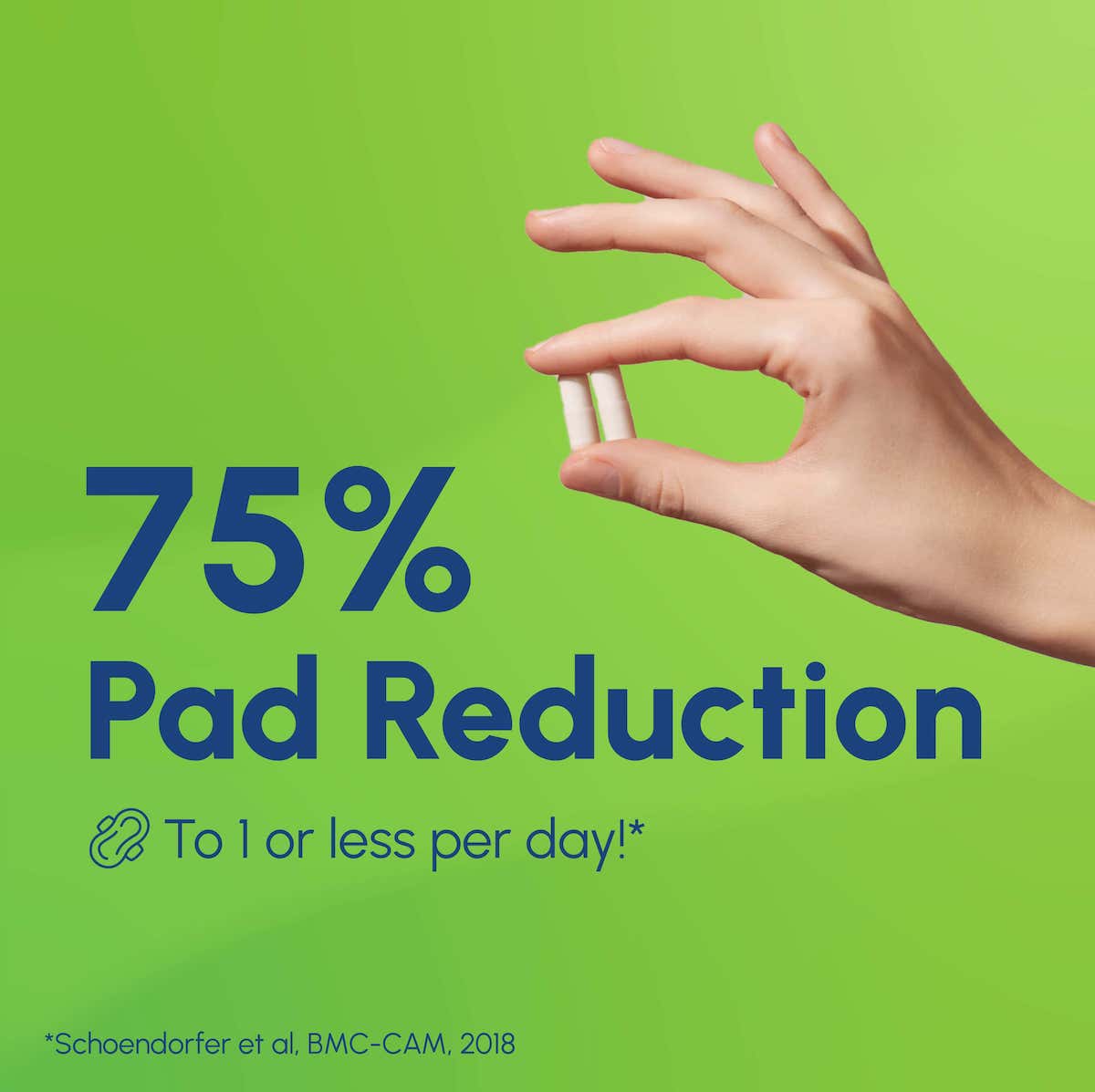
Across 15 clinical trials, research demonstrated Urox® and Prorox® can help improve bladder control, reduce pad usage and support healthy brain-to-bladder communication.
Research has shown:
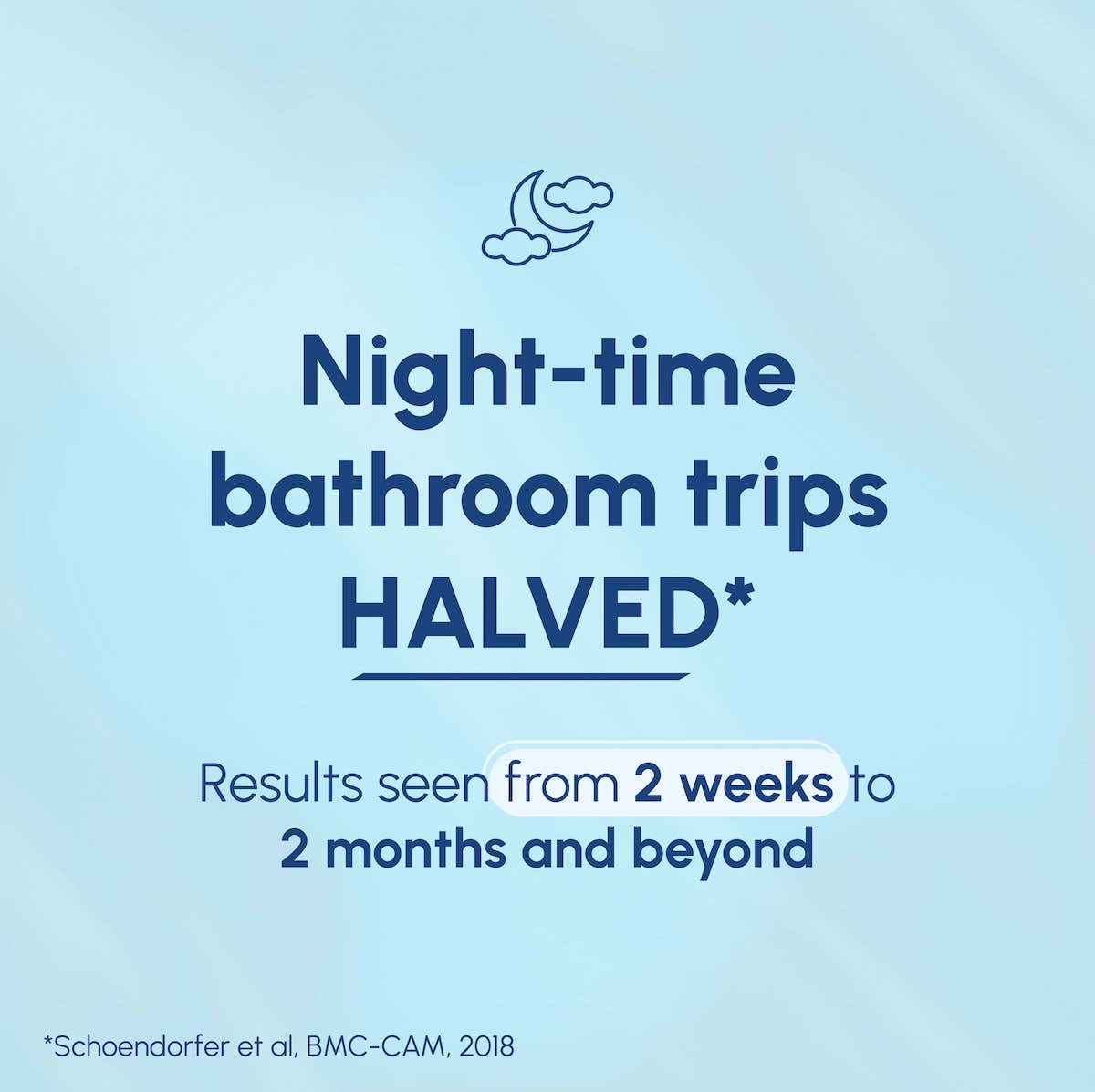
- Up to 50% reductions in nighttime bathroom visits
- Support brain-bladder communication
- Reduce pad usage
- Improve bladder control
- Enhanced quality of life
- Improved sleep
For men seeking targeted support, Prorox® provides dual-action bladder and prostate support and is designed to help maintain healthy urinary function and control.
Taking the First Step
Living with frequent urgency, interrupted sleep or concerns about bladder control can be challenging, but understanding OAB is an important first step towards improving quality of life.
By combining healthy lifestyle habits with appropriate support, you can take positive steps towards improved comfort, confidence and bladder health. Always read the label and follow the directions for use.
If symptoms persist, worsen or change unexpectedly, talk to your healthcare professional.

References:
Schoendorfer et al. (2018). BMC complementary and alternative medicine, 18(1), 42.
Zhang et al. (2025). International urogynecology journal, 36(8), 1547–1566.
Zapała et al. (2022). Frontiers in molecular biosciences, 9, 896624.